

Social Responsibility
Social Responsibility

Behind every product are people.
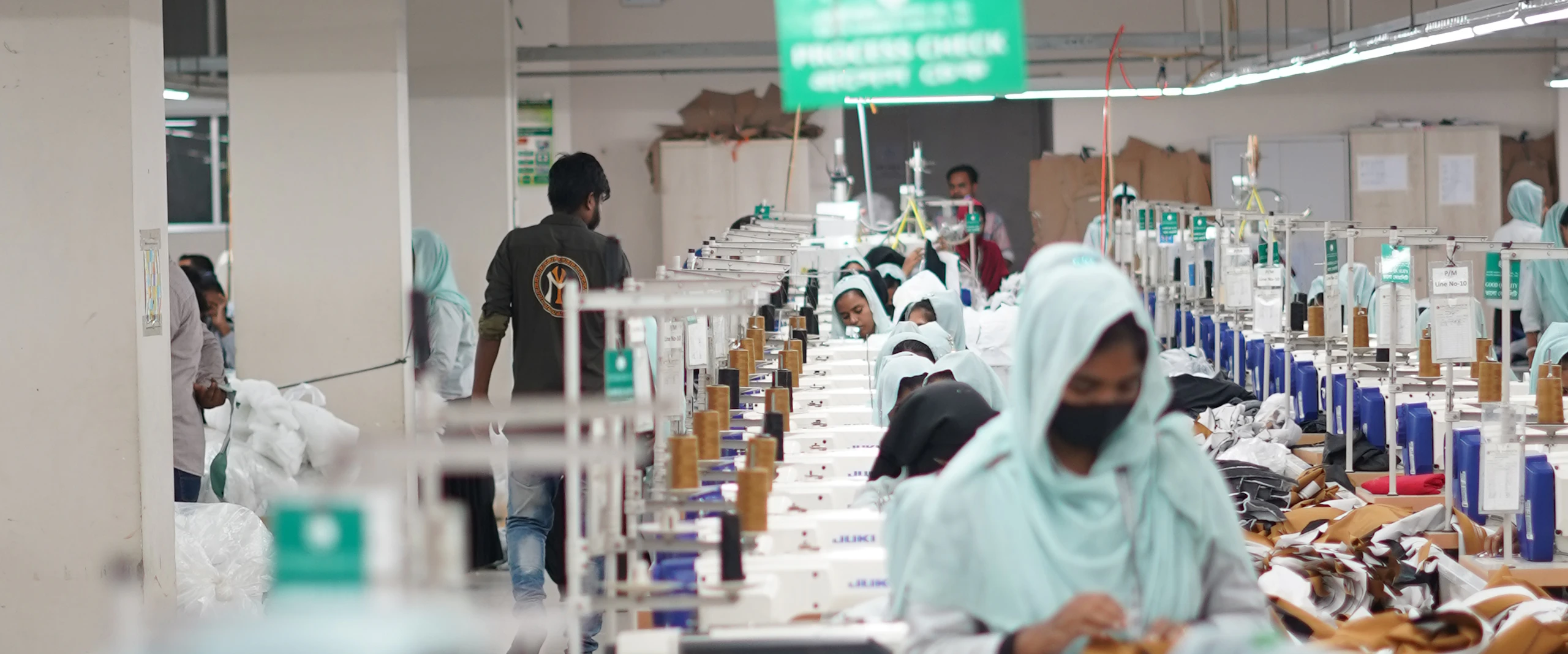
Like many other clothing companies, Schöffel does not have its own production facilities but works with production partners. The manufacture of technical functional clothing, and in particular the production of materials and components, takes place largely in Asia today, where specialist expertise has become concentrated over the past few decades.
We regard this global collaboration as a shared responsibility: fair working conditions, mutual respect and long-term partnerships throughout our supply chain.

Protecting human rights in production.
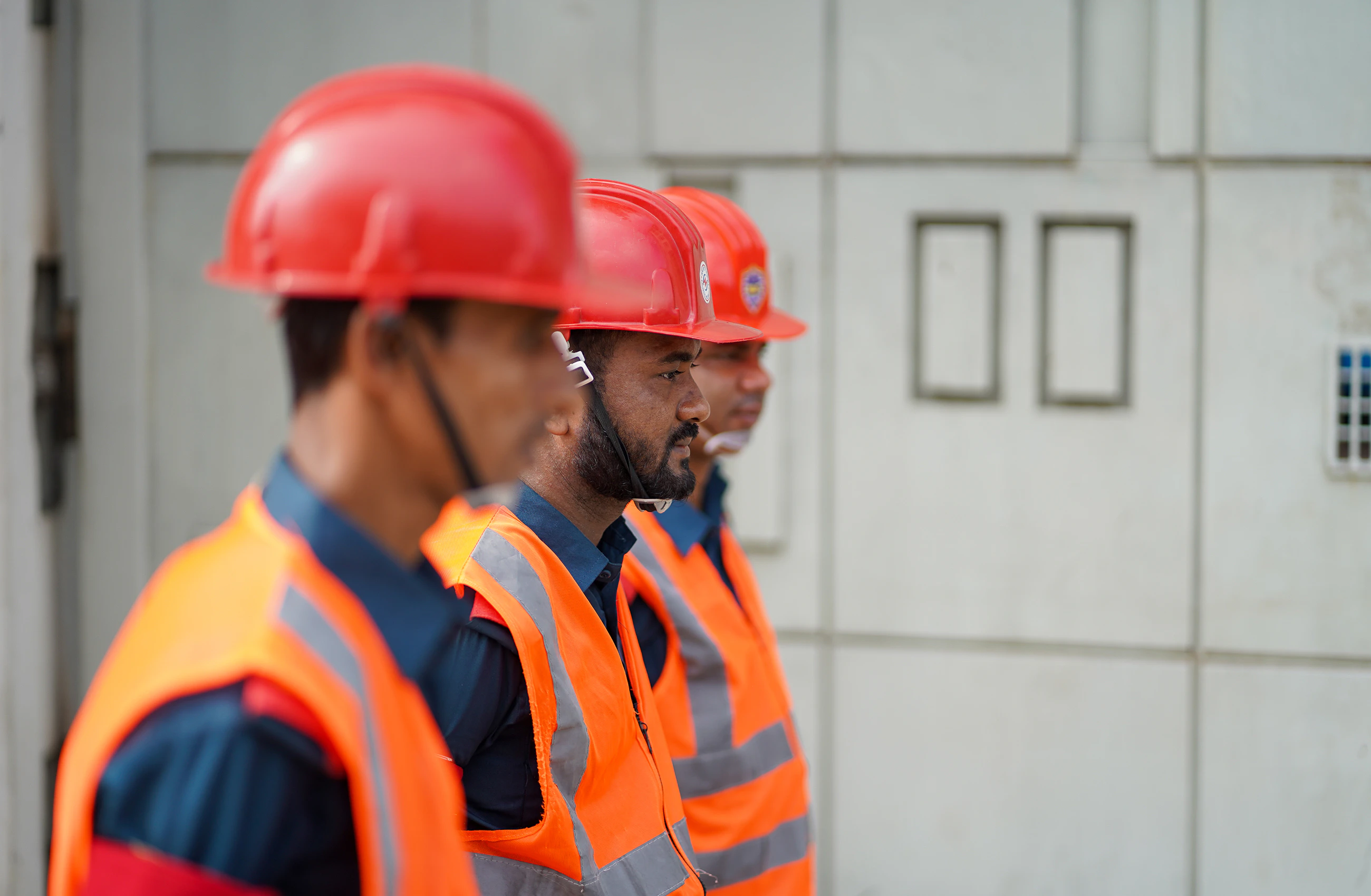
Protecting human rights is an integral part of our corporate responsibility. To this end, we follow a structured due diligence process in line with international standards. This encompasses the embedding of clear policies, the identification and assessment of risks, and the implementation of targeted prevention and improvement measures.
We also regularly review the effectiveness of these measures and report transparently on progress and challenges. Our goal is to identify potential negative impacts at an early stage, actively counteract them and create better working conditions in the long term.
Responsible procurement.
For us, responsible procurement is based on long-term and trusting partnerships. We work closely with our production partners and create the conditions that enable socially responsible production. This includes appropriate payment terms, realistic timescales and close coordination during the planning phase.
Through this collaboration, we avoid unnecessary time pressure and contribute to reducing excessive overtime. Regular assessments of our partners help us to identify risks at an early stage and continuously improve our procurement strategy.
Living social responsibility.
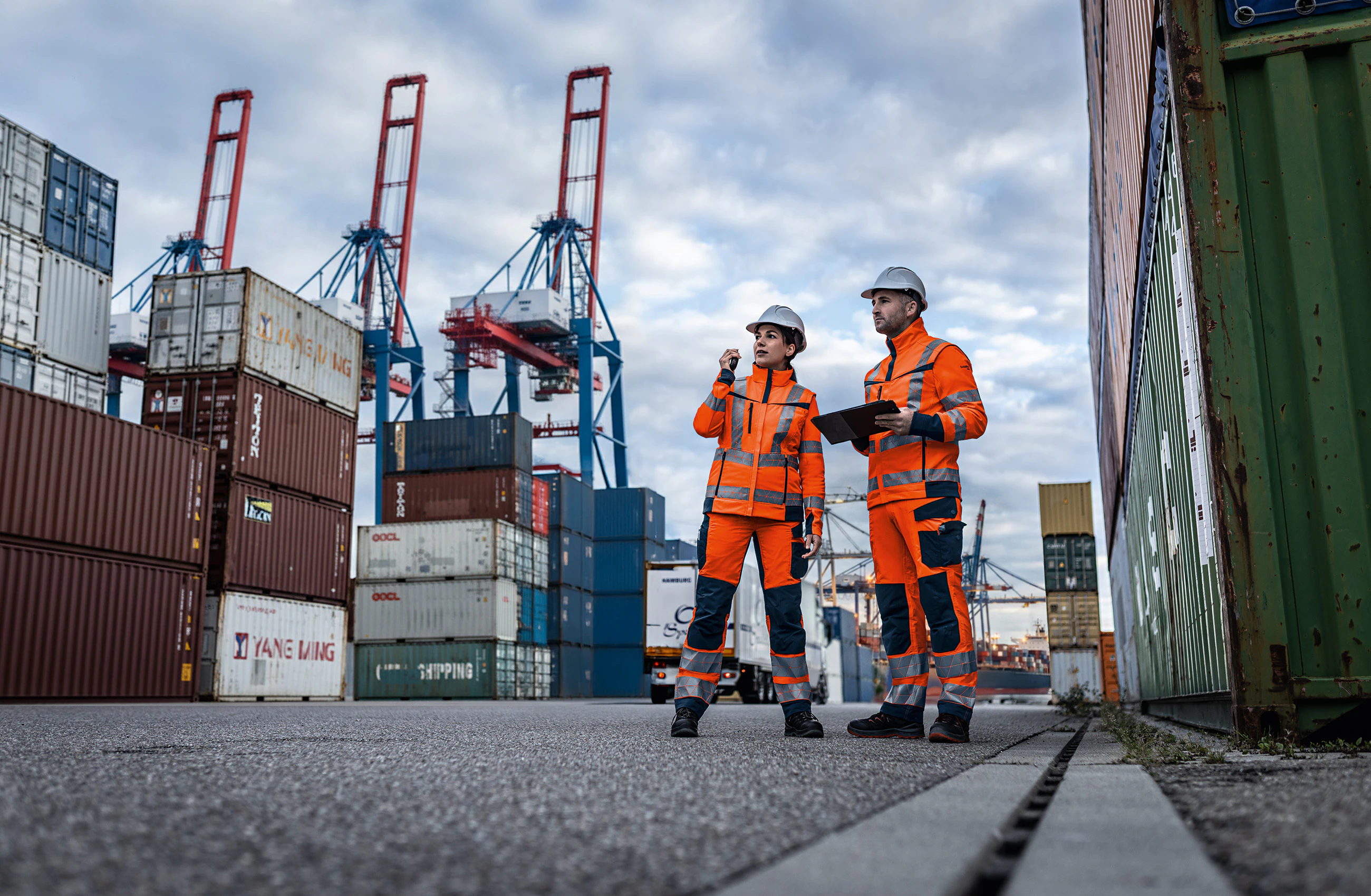
Schöffel is committed to the highest social standards in production and has been a member of the Fair Wear Foundation since 2011. This encompasses the labour and social standards set by legislators in the respective production countries as well as internationally recognised standards, whichever imposes the higher requirements.
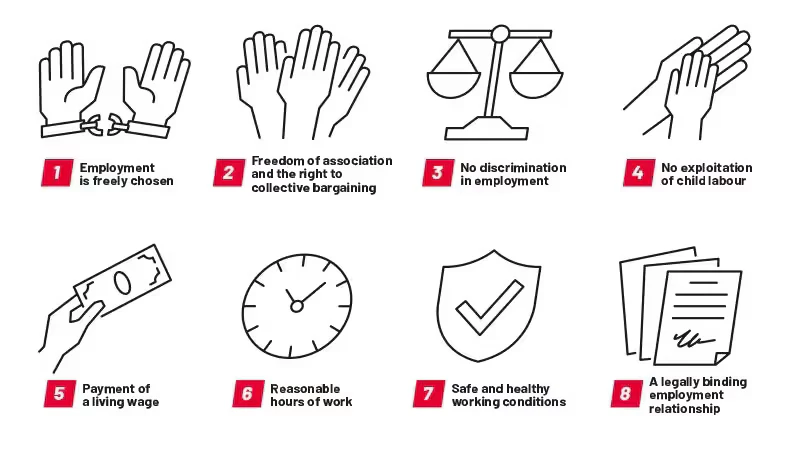
The basis for Schöffel is the Fair Wear Code of Labour Practices (CoLP). These eight social standards are derived from the conventions of the International Labour Organisation (ILO) and the United Nations Declaration of Human Rights. The Fair Wear Code of Labour Practices is therefore grounded in internationally recognised standards.
Staying committed and improving.
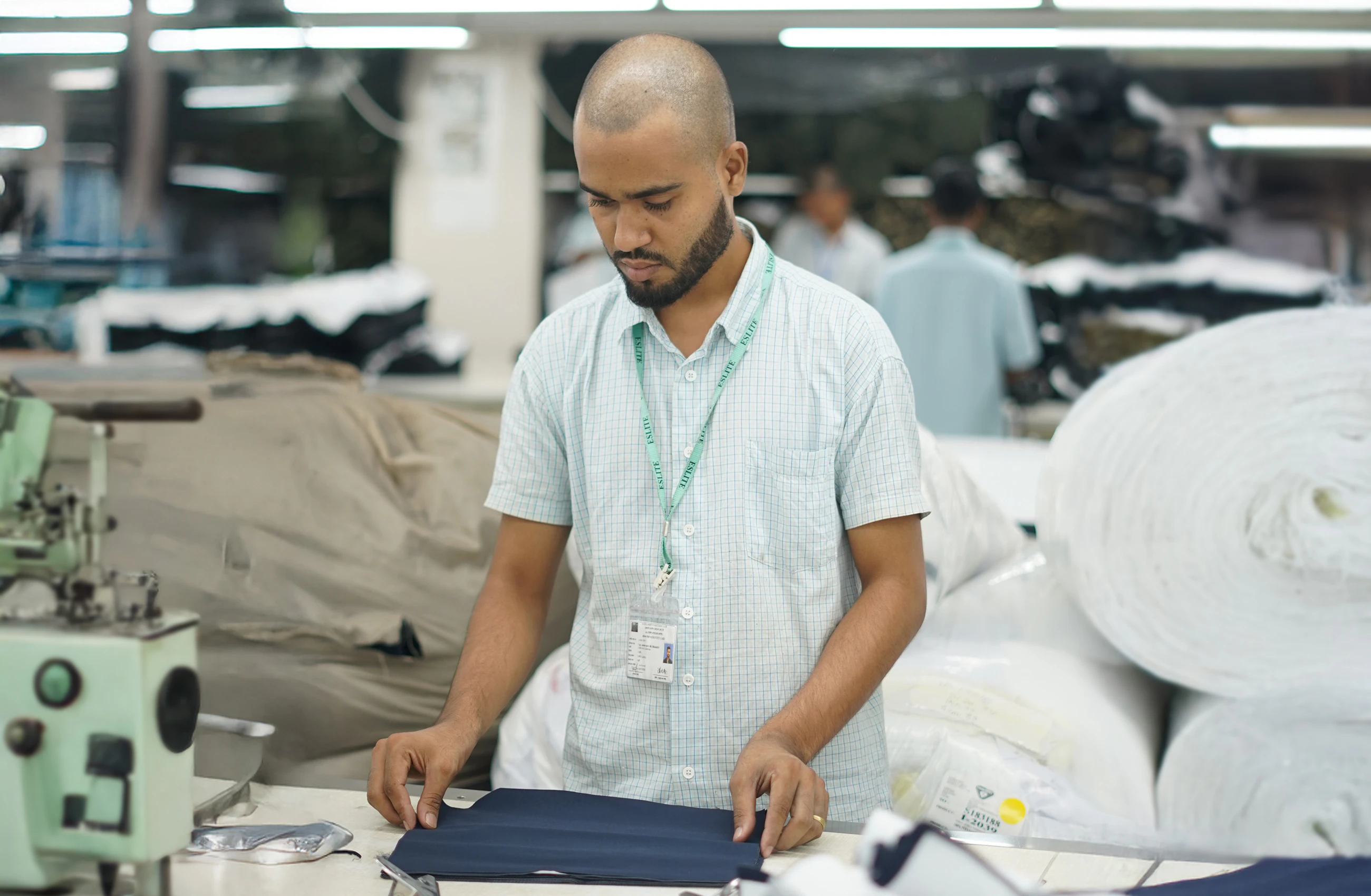
To ensure compliance with our social standards, we rely on a multi-level monitoring system. This includes regular on-site visits, external audits and ongoing assessment of our production facilities. This approach is complemented by grievance mechanisms through which workers can report grievances.
A key factor for success is open dialogue with our partners. In addition, we invest in training programmes and continue to expand our local presence in key production countries in order to drive improvements in a targeted and sustainable manner.
Achieving more together.
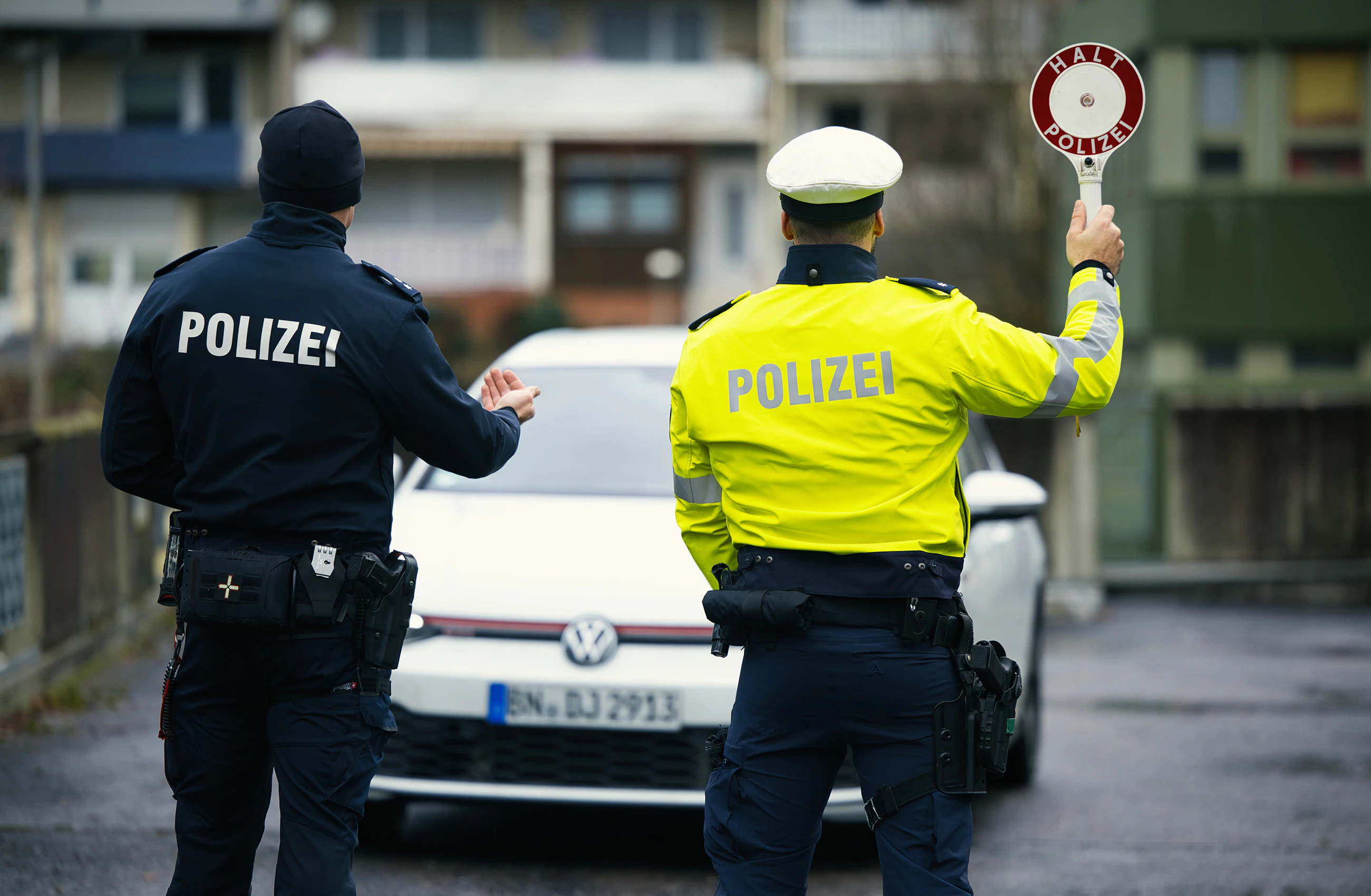
Schöffel collaborates with selected organisations through memberships and/or projects, all of which work with different focuses to improve working conditions in the textile and clothing industry. These organisations are important partners for Schöffel in fulfilling its duty of care.
Fair Wear
Since 2011, Fair Wear has been a strong partner at Schöffel's side. Fair Wear is a non-profit, independent organisation dedicated to improving working conditions in the clothing industry. As a member, we are committed to advancing the implementation of Fair Wear's labour standards at our partner companies and thereby continuously improving working conditions. Once a year, our activities are thoroughly reviewed by Fair Wear as part of the Brand Performance Check – in 2025, we were awarded Leader status, which recognises exceptional commitment.
The International Accord
The International Accord is a legally binding agreement between global clothing brands and trade unions to improve health and safety in the workplace in the textile and clothing industry. It originates from the Bangladesh Accord on Fire and Building Safety, which was established in 2013 following the collapse of the Rana Plaza textile factory, in which more than 1,000 people lost their lives.
Sustainable Industrial Clusters (S.I.C.) II Project Ethiopia
Within this project framework, Schöffel, together with the Deutsche Gesellschaft für Internationale Zusammenarbeit (GIZ) and another clothing brand, has developed a specific project to promote social dialogue in the textile and clothing industry in Ethiopia. This project aims to strengthen social dialogue at company level by specifically fostering the skills and cooperation of workers and management. It pursues a structured approach encompassing training, tailored advisory services and coaching.
.jpg?w=720&h=720&rect=0%2C0%2C3000%2C3000)